
Industry Practices
Laser Welding Applications
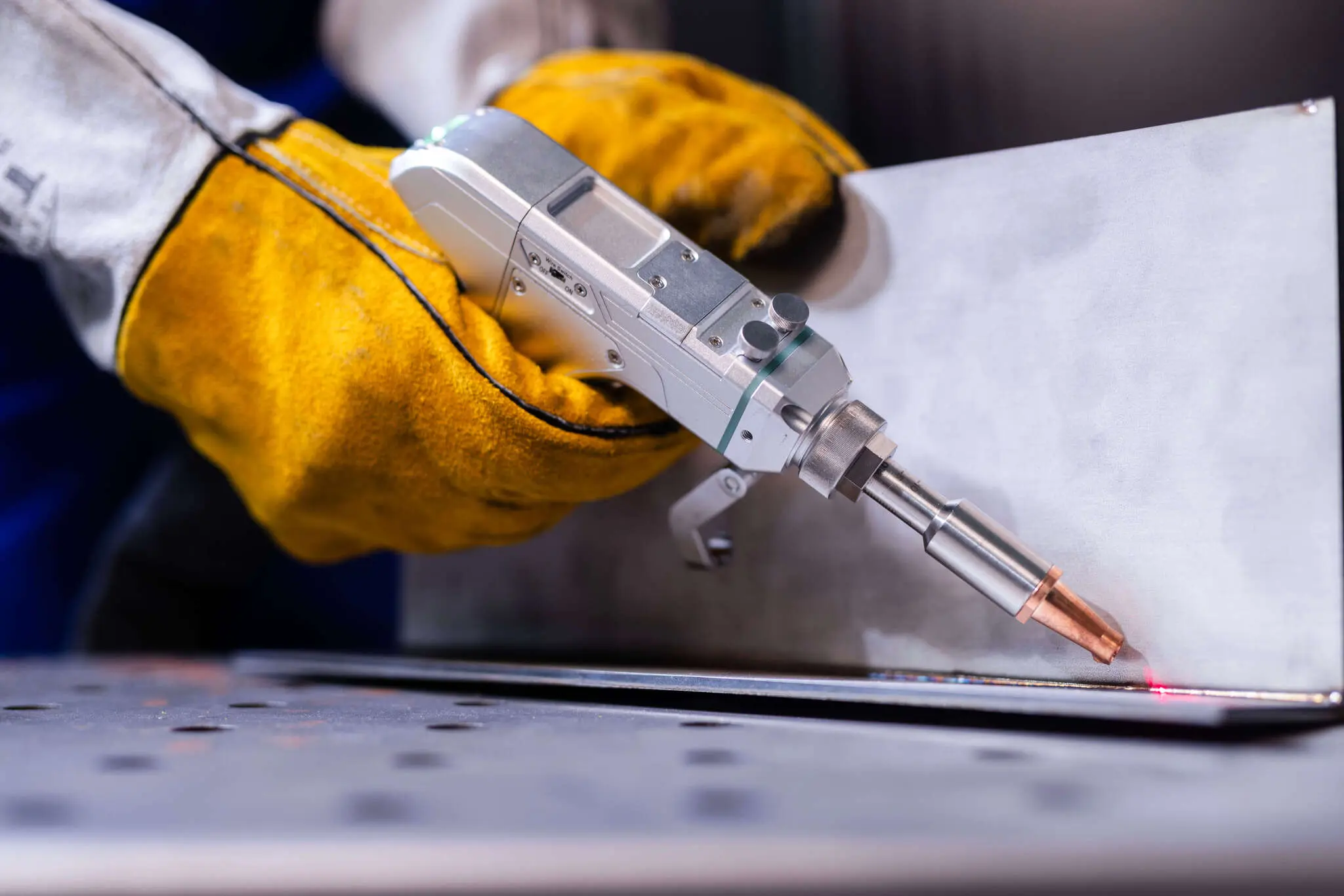
Diodela UK supplies advanced laser welding systems in the United Kingdom and Ireland. Laser welding is a versatile and efficient process suitable for a wide range of materials. Its precision and ability to produce strong, clean welds make it ideal for various industries. By using laser welding technology, manufacturers can achieve high-quality results with minimal thermal distortion and excellent repeatability
Automotive
Laser welding is used for joining automotive components such as airbag initiators, batteries and fuel injectors, ensuring strong and reliable welds.
Aviation
Enables precise welding of different metals while minimising thermal impact, making it suitable for engine components, panels and structural parts.
Electronics
Used in the production of electronic components for devices such as LEDs, mobile phones and televisions, enabling precise and intricate joints.
Medical
Essential for manufacturing medical devices including surgical instruments, implantable devices and diagnostic equipment, ensuring precision, hermetic sealing and biocompatibility.
Semiconductors
Applied in joining micro-scale semiconductor components such as integrated circuits and microchips, ensuring high precision, reliability and conductivity.
Furniture Manufacturing
Supports precise welding of aluminium and steel components, ensuring consistent results and reduced preparation time.
Suitable Materials
Metals
Materials such as copper and brass can be welded using laser technology, although their properties require specialised process control. Common applications include electrical components, plumbing fittings and heat exchangers.
Non-ferrous Metals
Materials such as copper and brass can be welded using laser technology, although their properties require specialised process control. Common applications include electrical components, plumbing fittings and heat exchangers.
Plastics
Thermoplastics such as acrylic, polycarbonate and polyethylene, as well as composite materials, can be laser welded to create strong and lightweight joints.
Dissimilar Materials
Laser welding enables joining of different materials, such as stainless steel to carbon steel or metals to plastics, supporting hybrid applications that require both strength and reduced weight.
Unlimited Possibilities
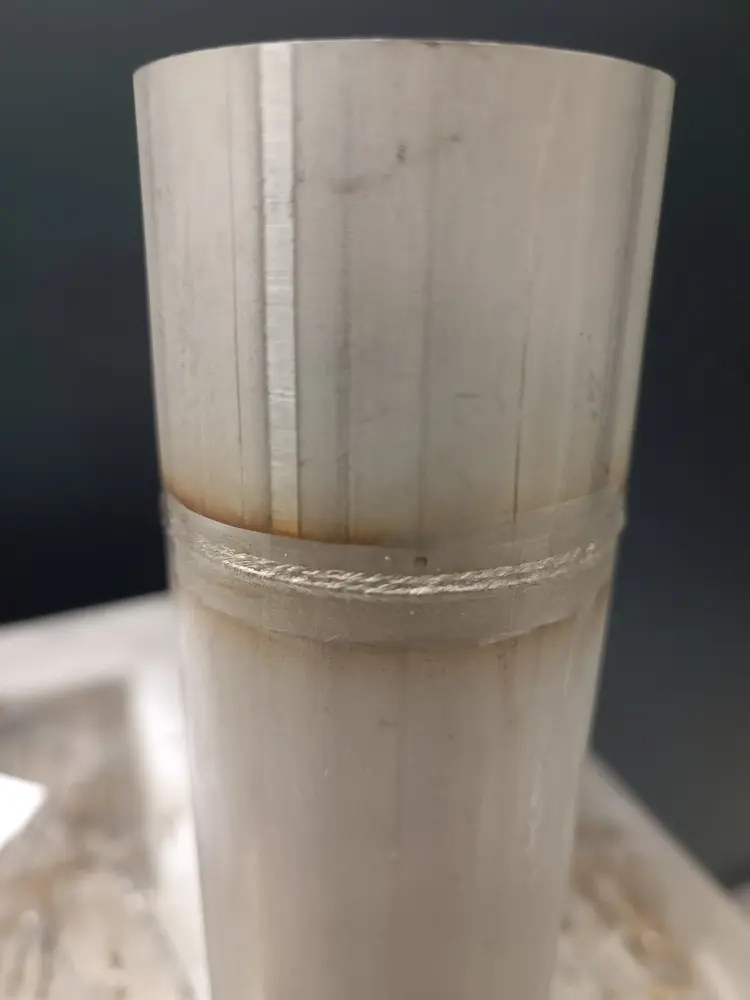
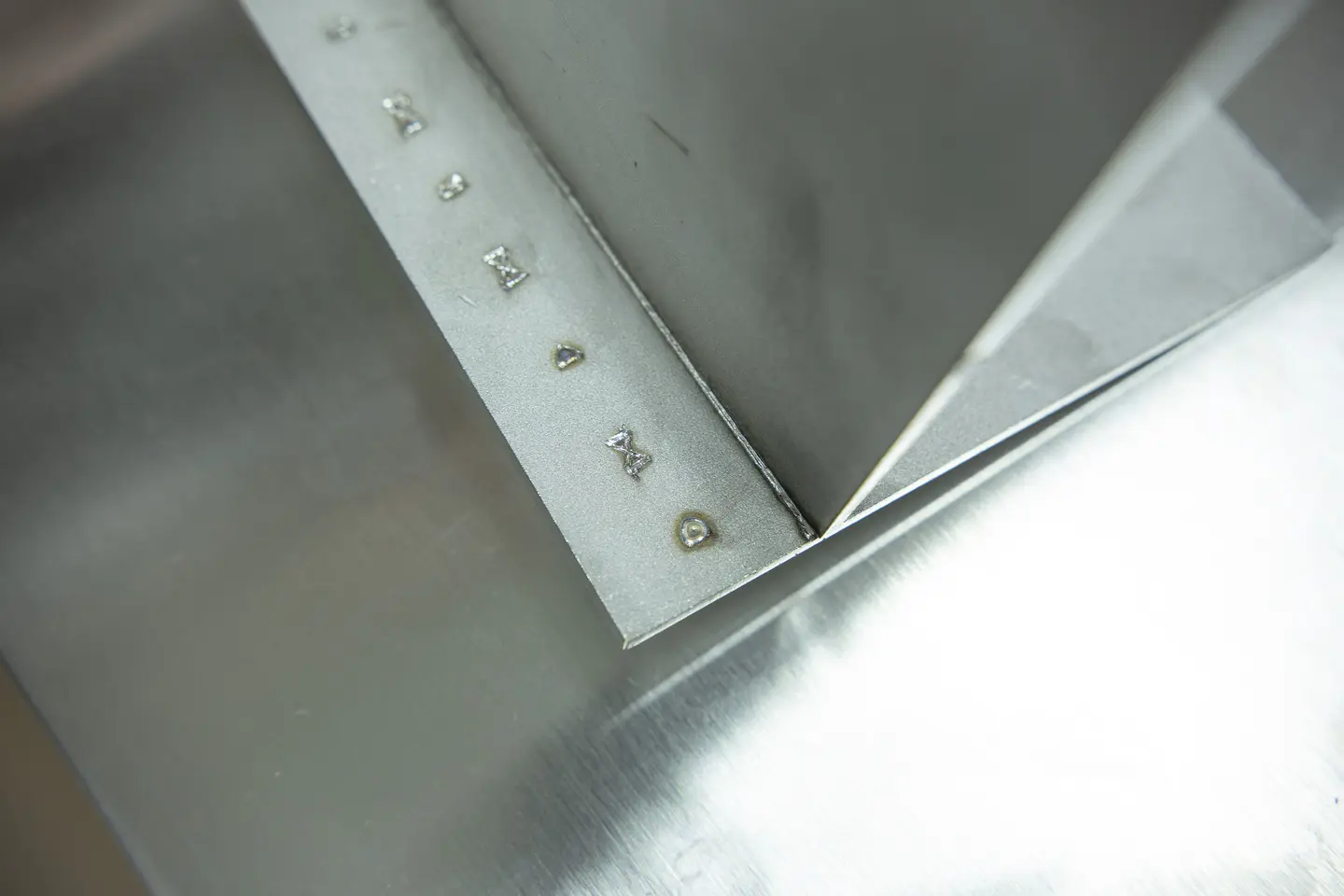
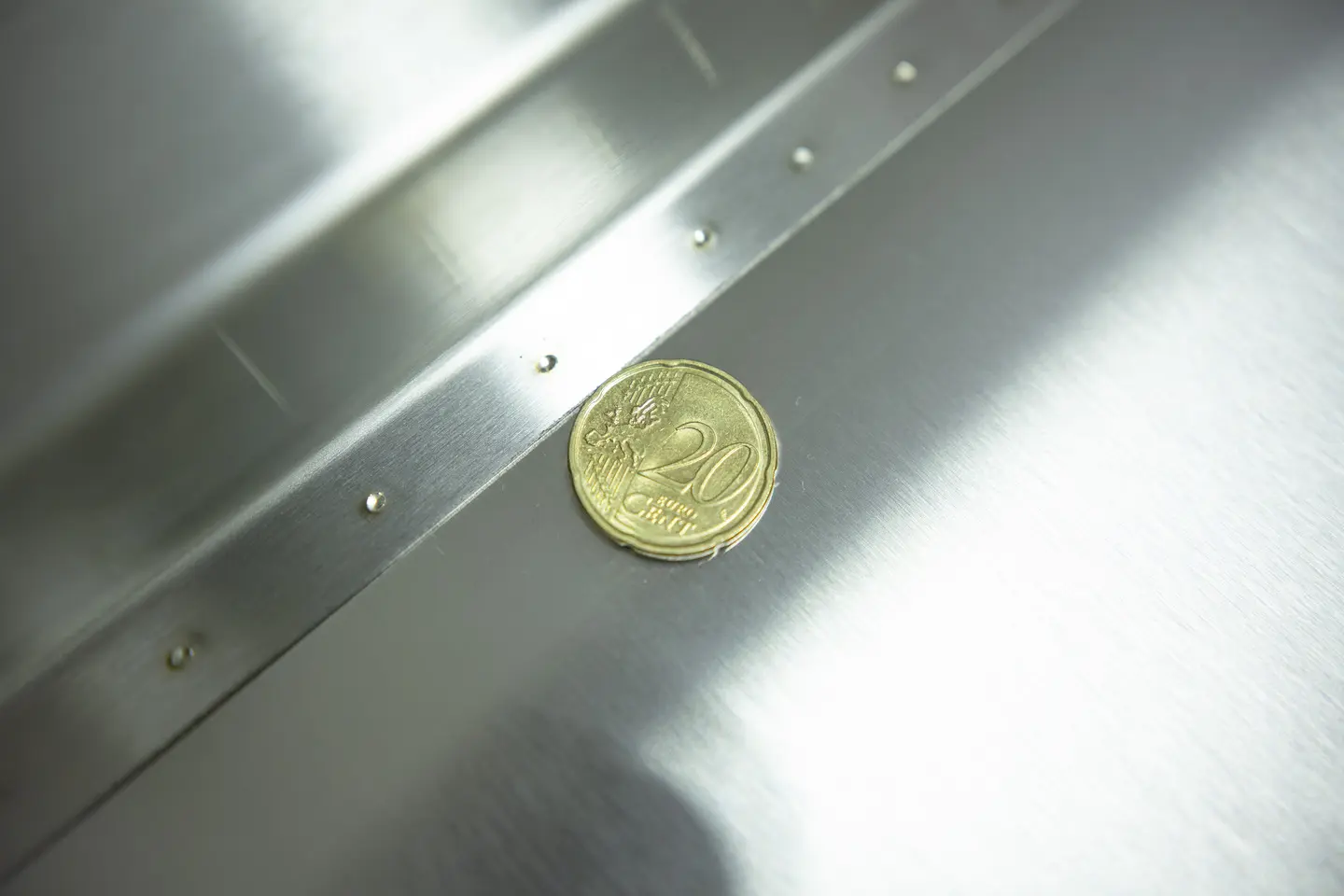
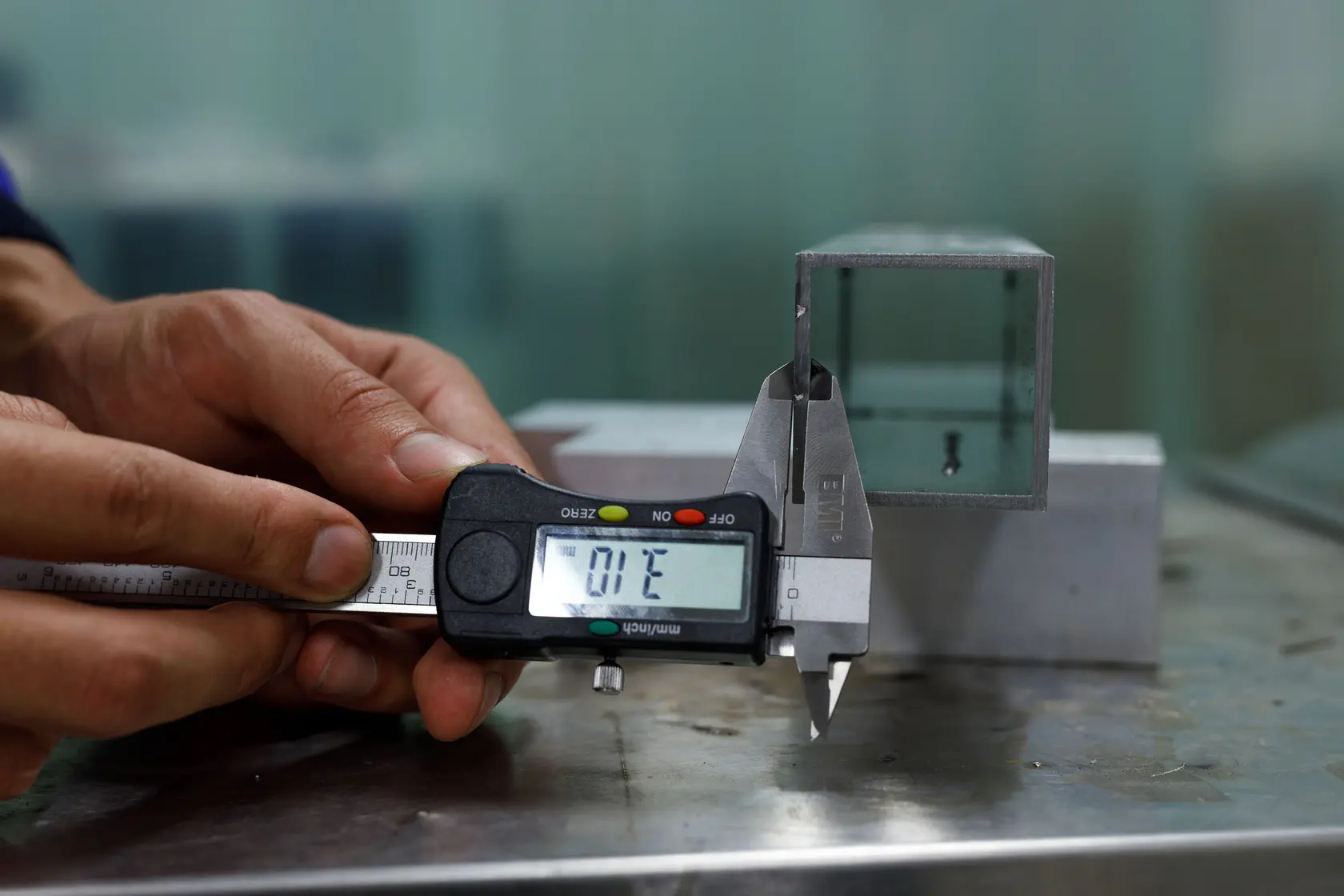
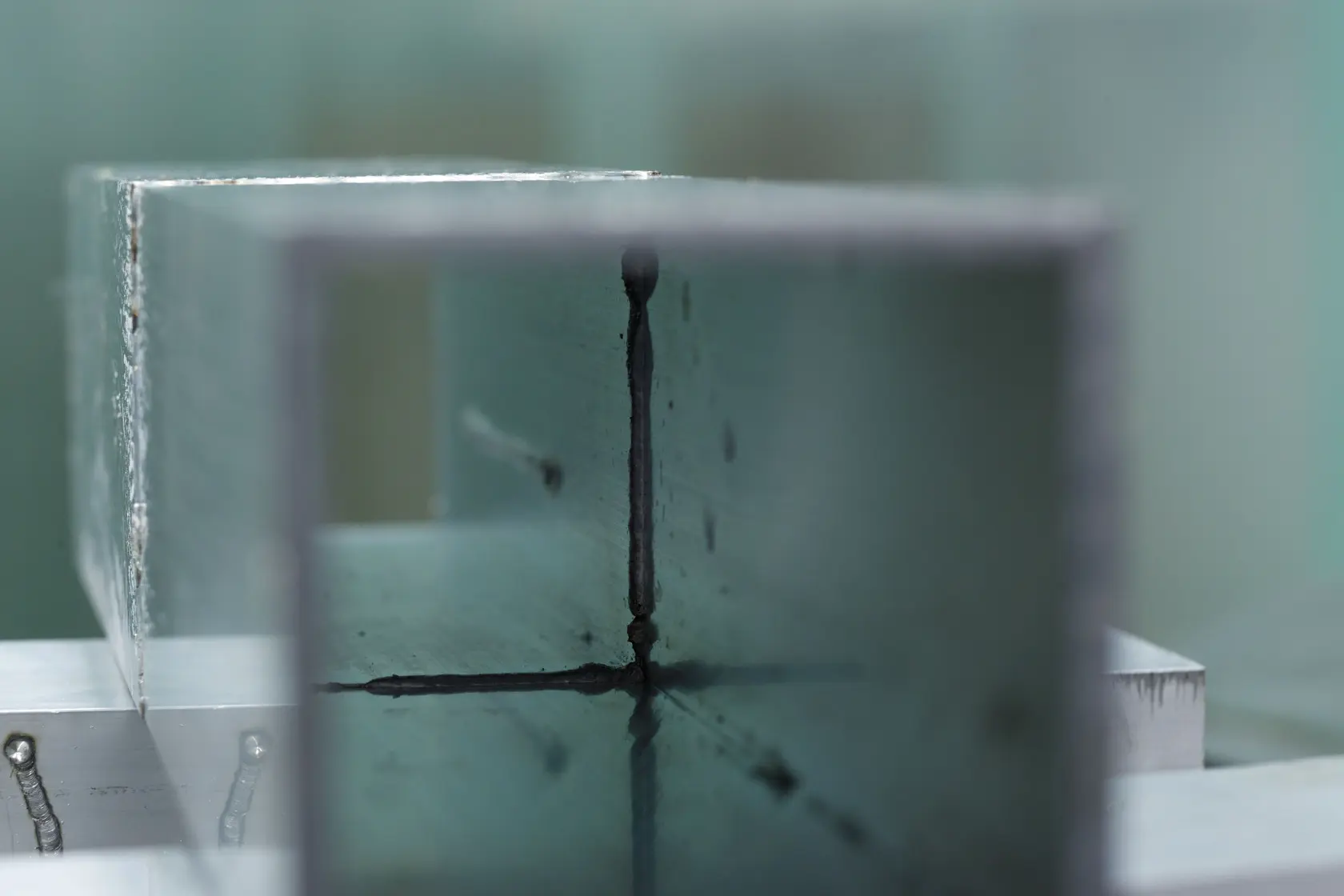
Laser Welding Application Gallery
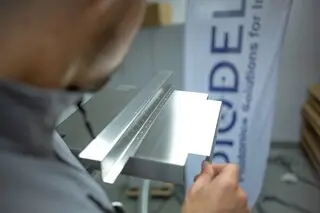

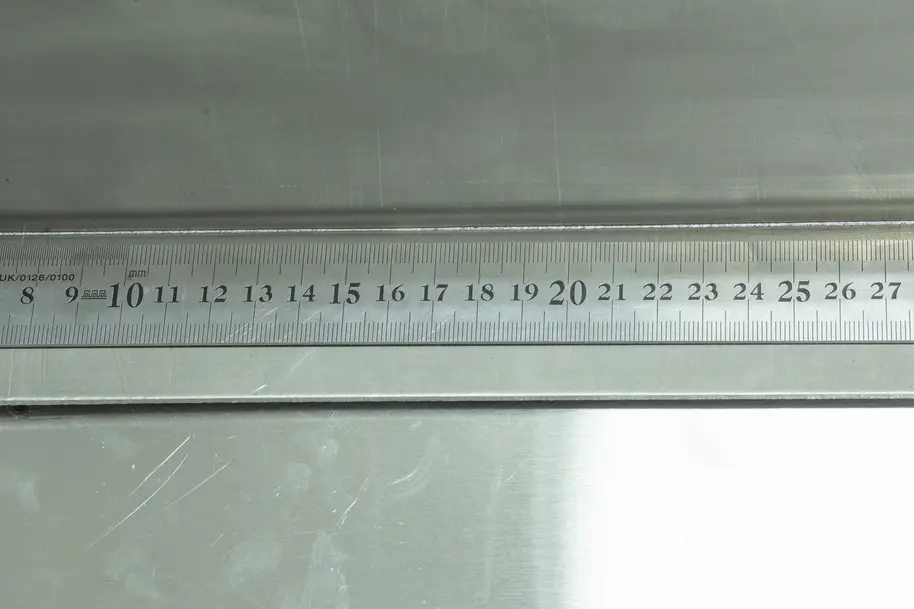
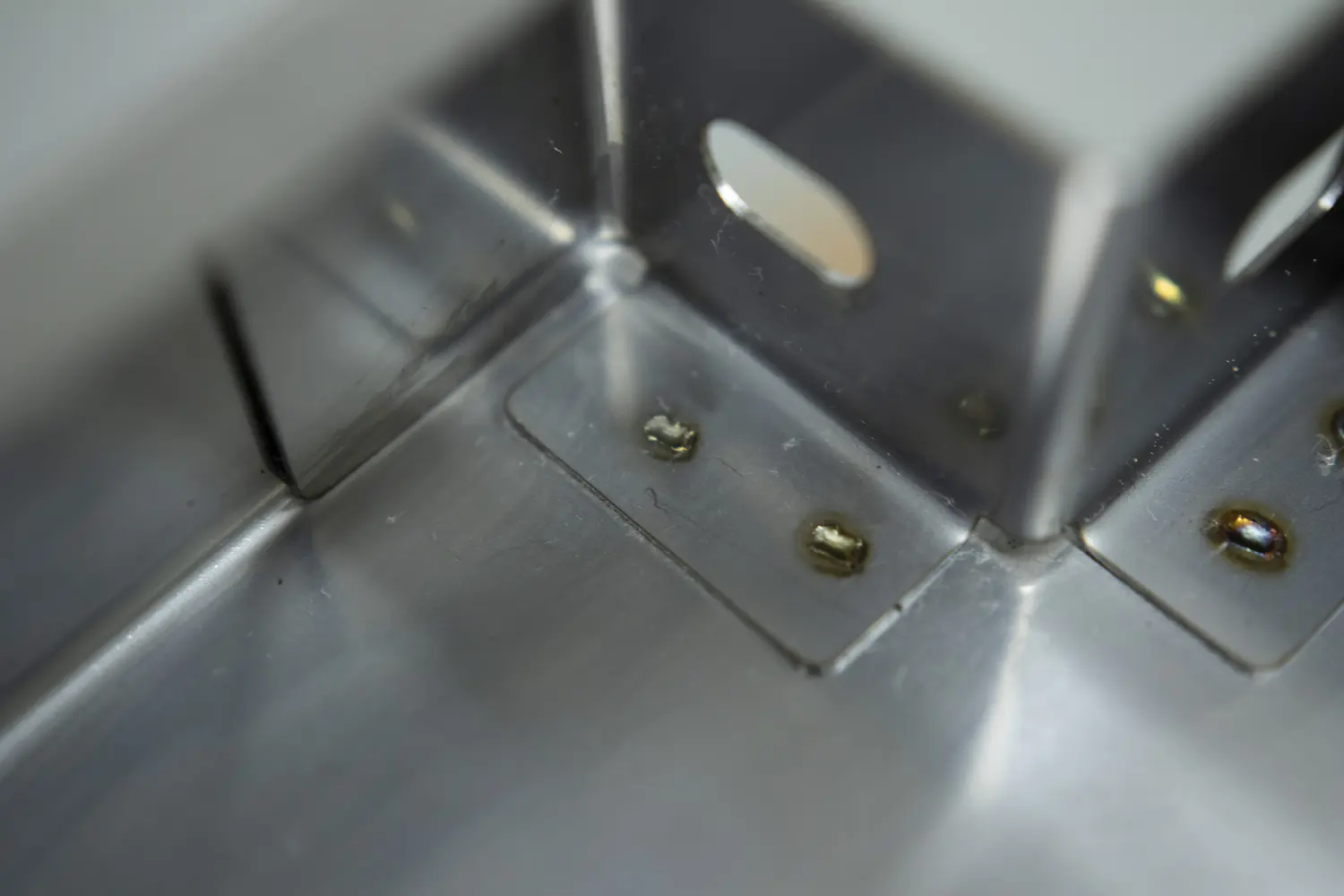
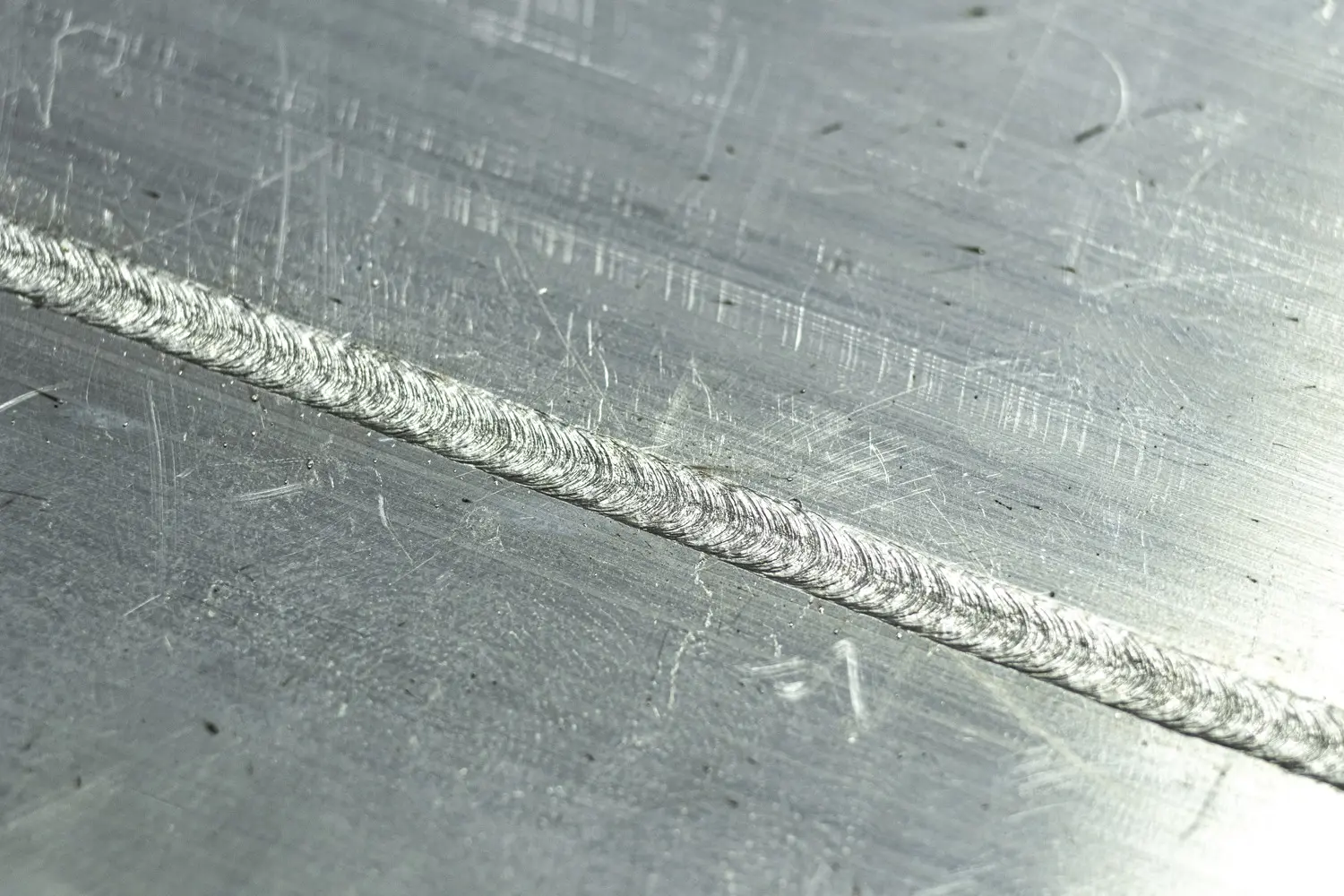
Technology Features
Laser welding is an advanced joining method that offers improved efficiency and quality compared to conventional welding techniques.
High Efficiency
Laser welding is significantly faster than conventional methods such as MIG and TIG. Handheld welding speeds typically range from 1–5 m/min, while robotic systems can reach up to 12 m/min.
Minimal Physical Distortion
The process minimises thermal impact, making it ideal for thin or large components and reducing the need for additional finishing.
Low Welding Oxidation
Precise heat input ensures narrow, full-penetration welds with clean and consistent visual results.
High-Strength Welds
Laser welding produces welds that boast both consistency and high strength. Laser welds can be monolithic without filler metal when the distance between materials to be welded is up to 100 um.
Excellent Mechanical Properties
The process preserves the material’s structural characteristics, maintaining strength and performance after welding.
Ultimate Precision
Laser welding enables highly accurate processing with controlled heat input and easy handling, even for complex applications.
How Does It Work
Laser beam welding is an advanced industrial process used to join materials by focusing a high-intensity beam of light onto a defined area. The energy melts the materials, forming a strong and durable bond. This precise and efficient method ensures consistent weld quality while reducing the need for additional processing.